Field Notes / Outdoor Skills

5 Essential Knots Every Outdoor Enthusiast Should Know

A practical introduction to five simple knots that can make camp setup, field organization, and everyday cord use more capable and more efficient.

June 4, 2026 · TYPE III® Field Notes · 7 min read

Outdoor users often do not need a large knot library. What they need is a small set of knots they can remember, trust, and apply without overthinking. That is where a practical five-knot foundation becomes useful.

This article focuses on simple, versatile knots that support common outdoor situations rather than specialized technical systems.

Article Overview

Know a few knots well, and use them often

Outdoor efficiency usually comes from repetition, not complexity. A few reliable knots can improve shelter setup, line tension, and gear organization immediately.

TYPE III® Field Notes focus on straightforward outdoor usefulness. Learning a small knot set is one of the clearest ways to turn utility cord into something more practical in the field.

Quick Facts
Best beginner setBowline, taut-line hitch, trucker’s hitch, clove hitch, and square knot.
Typical usesShelter setup, tensioning lines, attaching cord, bundling gear, and light utility work.
Practice methodUse real cord in realistic situations until the movements feel natural.
Article 01 / Why knots matter

A small knot set solves many outdoor jobs

You do not need to memorize dozens of knots to become more capable outdoors. A small set of dependable knots can cover most common camp and field tasks such as shelter setup, gear organization, tying off lines, and light utility work.

The goal is not complexity. The goal is to know a few knots well enough that you can tie them under normal outdoor conditions without hesitation.
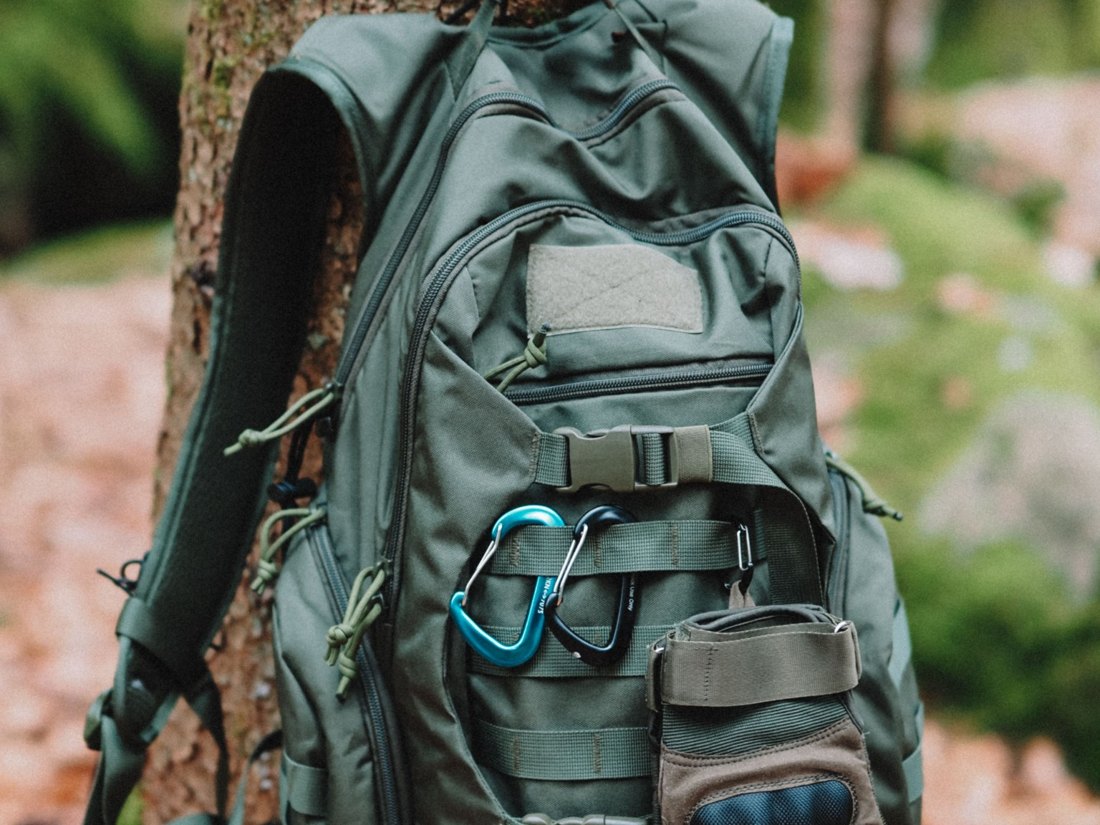
Backpack and outdoor gear ready for use
Article 02 / The five basics

Five knots worth learning first

Bowline

Creates a fixed loop that is useful for anchoring a line or attaching cord to an object without cinching down.

Taut-line hitch

An adjustable knot often used for tent guy lines and tarp lines when you need to tighten or loosen tension.

Trucker’s hitch

Helps create mechanical advantage when you need a line pulled tighter for tie-downs or shelter setup.

Clove hitch

A quick tying option for attaching cord to a post, pole, or carabiner during temporary setup work.

Square knot

Useful for bundling and simple joining tasks when applied appropriately, though not the best choice for every load-bearing situation.

Field note: Learn how each knot behaves under load and after tension. A knot that is easy to tie but hard to untie later may not be the best option for every task.
Article 03 / Practice

Practice in realistic situations

The quickest way to remember knots is to practice them in real contexts: on backpack straps, tarp lines, camp boxes, or around the house. Repetition makes the movement more natural than memorizing from a list alone.

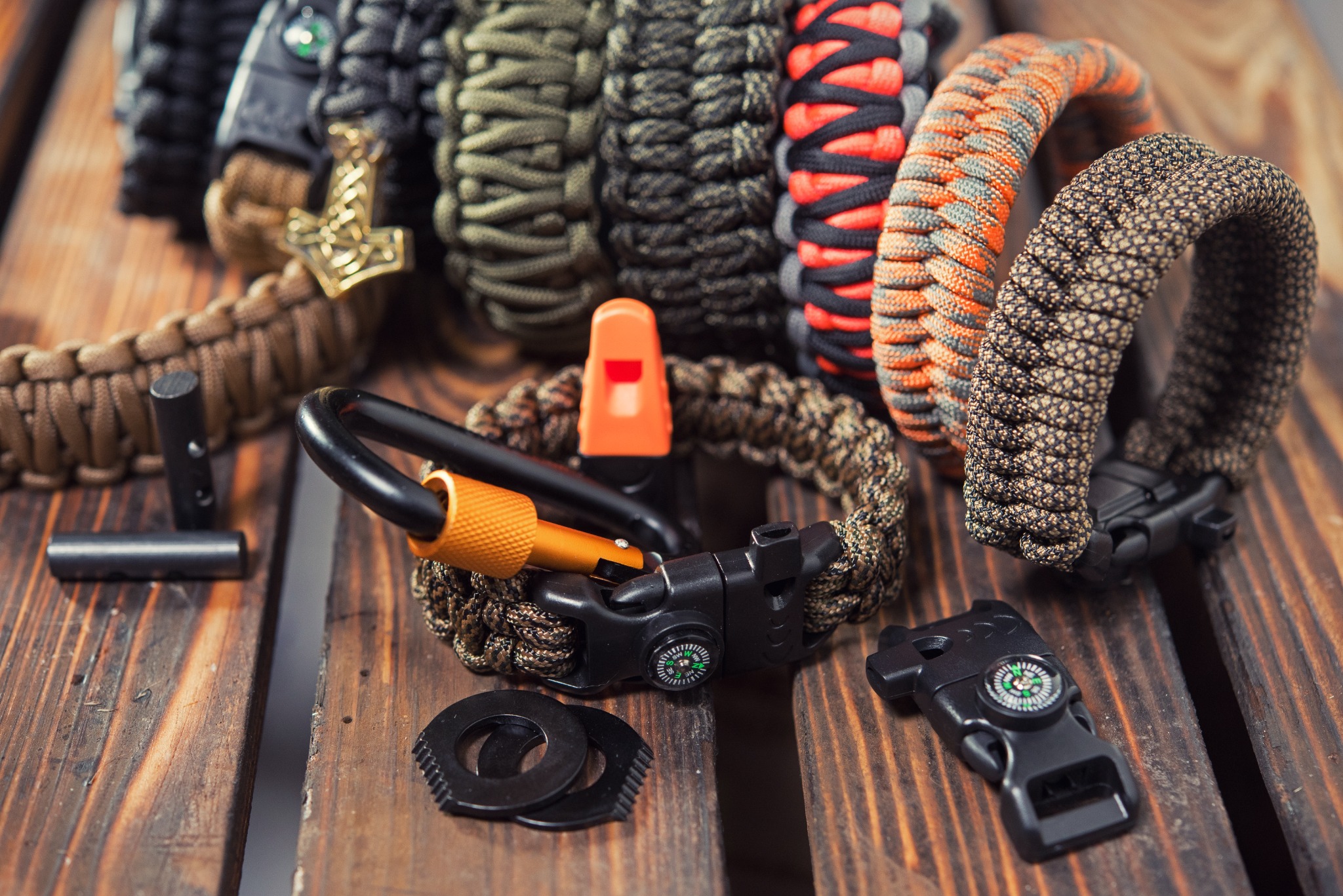
Paracord accessories and braided items
  • Practice with the same type of utility cord you carry most often.
  • Learn how the knot looks when tied correctly, not only how it is formed.
  • Test easy adjustment, security, and how well the knot releases afterward.
Article 04 / Practical use

Use the simplest knot that will do the job well

Outdoor efficiency often comes from choosing simple solutions. A dependable knot that you can tie quickly is usually better than a more advanced one you do not fully trust yet.

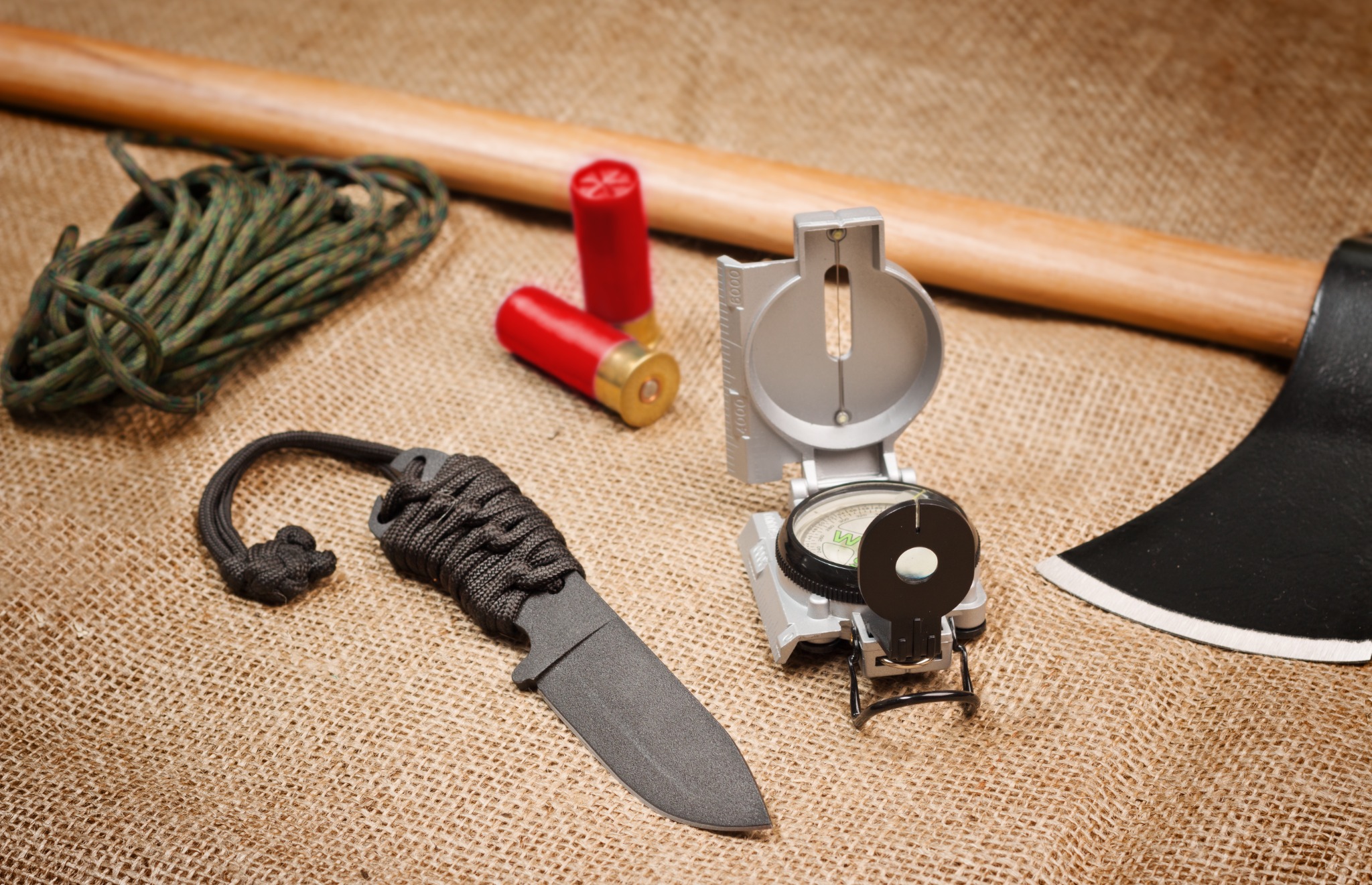
Preparedness gear on a work surface

For most users, these five knots create a strong practical foundation. From there, you can expand your skills as your outdoor activities become more specialized.

Safety note: Knot knowledge improves field confidence, but utility cord and general knot instruction should not be treated as a substitute for certified training in climbing, rescue, or life-safety systems.

Built for practical use. Ready for real outdoor conditions.